
Why a WhatsApp chatbot in healthcare is becoming indispensable
Clinics, outpatient clinics, medical practices, and healthcare facilities in Italy are under constant pressure: more patients, more requests, less time. Meanwhile, expectations have changed: people want quick responses, immediate confirmations, and the ability to manage appointments and information without endless phone calls.
A WhatsApp chatbot for healthcare It solves exactly that: it automates routine conversations on a channel patients already use every day. The result is faster and more consistent service, with less administrative burden for receptionists and call centers, and more time for doctors and operators to dedicate to clinical activities.
In this guide we will see how to use WhatsApp Business and conversational AI in a practical and scalable way, with Italian examples and a user-oriented approach. marketing automation (without confusing marketing with sensitive clinical communications).
What is (and isn't) a WhatsApp healthcare chatbot?
A WhatsApp healthcare chatbot is a conversational assistant that interacts with patients via WhatsApp through WhatsApp Business Platform (API). Can:
- answer frequently asked questions (times, locations, services, documents)
- guide the user through structured flows (booking, cancellation, reminder)
- route the request to the right department or person
- send automatic messages and approved templates (notifications, reminders, follow-ups)
It is not A substitute for a doctor or a diagnostic system. The goal is to reduce repetitive tasks and improve the experience, maintaining a clear boundary between administrative communication and the management of sensitive clinical information.
WhatsApp Business App vs WhatsApp Business API
Many organizations start with the WhatsApp Business App, but as volumes grow, limitations emerge: multi-operator management, advanced automation, tracking, integrations, and reporting. With the WhatsApp API Instead, you can build scalable flows, use templates, distribute chats across multiple operators, and integrate CRM/management software.
Concrete benefits: more satisfied patients, more efficient staff
1) Faster response times (even after hours)
A chatbot answers the most common inquiries 24/7: "Are you open on Saturday?", "How do I get there?", "What documents do I need to bring?" The receptionist doesn't have to repeat the same information dozens of times a day.
2) Fewer phone calls and fewer no-shows
With automatic reminders and WhatsApp confirmations, no-shows are reduced. In Italy, even a small decrease in no-shows can free up hours of schedule and increase department revenue.
3) More orderly routes (intelligent routing)
The chatbot can ask for a few essential pieces of information (type of service, location, administrative urgency) and then forward the chat to the correct team: reception, reservations, administration, customer care.
4) Consistent and traceable communication
Standardized responses reduce errors and misunderstandings. Furthermore, with an automation platform, you can measure response times, volumes, tags, outcomes, and workflow performance.
Types of WhatsApp Chatbots for Healthcare
Rule-based chatbot (guided menus and flows)
Ideal for predictable processes: FAQs, reservations, cancellations, directions, and document requests. They're easy to manage and reduce the risk of inappropriate responses.
AI Chatbot (with Natural Language Understanding)
A AI chatbot It can interpret written requests "as they come" from patients and respond more naturally. In healthcare, it is particularly useful for:
- recognize the intent (book, move, information)
- summarize requests before switching to an operator
- manage complex FAQs (services, preparations, routes)
Best practice: Use AI as a support and dispatch layer, maintaining rules and templates for the most sensitive communications and critical steps.
7 High-Value Use Cases (with Italian Examples)
1) Appointment booking and administrative pre-triage
The chatbot can collect non-clinical data and guide the user to the correct appointment. Example for a polyclinic in Milan:
- The patient writes: “I would like a dermatological visit”
- The bot asks: “Porta Romana or Bicocca headquarters?”
- He asks: “First visit or check-up?”
- Suggests time slots or sends links/instructions to complete the booking
If necessary, pass the chat to an operator with a summary: location, service, time preferences.
2) Stress-free cancellation and rescheduling
An automated "Cancel/Reschedule" workflow reduces phone calls and frees up the switchboard. For example, for a dental practice in Bologna: the bot asks for a booking code or phone number, suggests new availability, and confirms with an automatic message.
3) Information on the clinic, locations, parking and documents
FAQs are the simplest and most cost-effective part of the process to automate. Examples of helpful responses:
- opening hours and holidays
- How to reach the office (also with Google Maps link)
- acceptance documents (health card, prescription, authorizations)
- payment and billing methods
This is also a key point of marketing automation: Clear communication reduces friction and increases the likelihood that the patient will complete the booking.
4) Automatic reminders and pre-exam checklists
WhatsApp is perfect for reminders and preparations, as long as they're clearly and unobtrusively set up. Example for a diagnostic center in Rome:
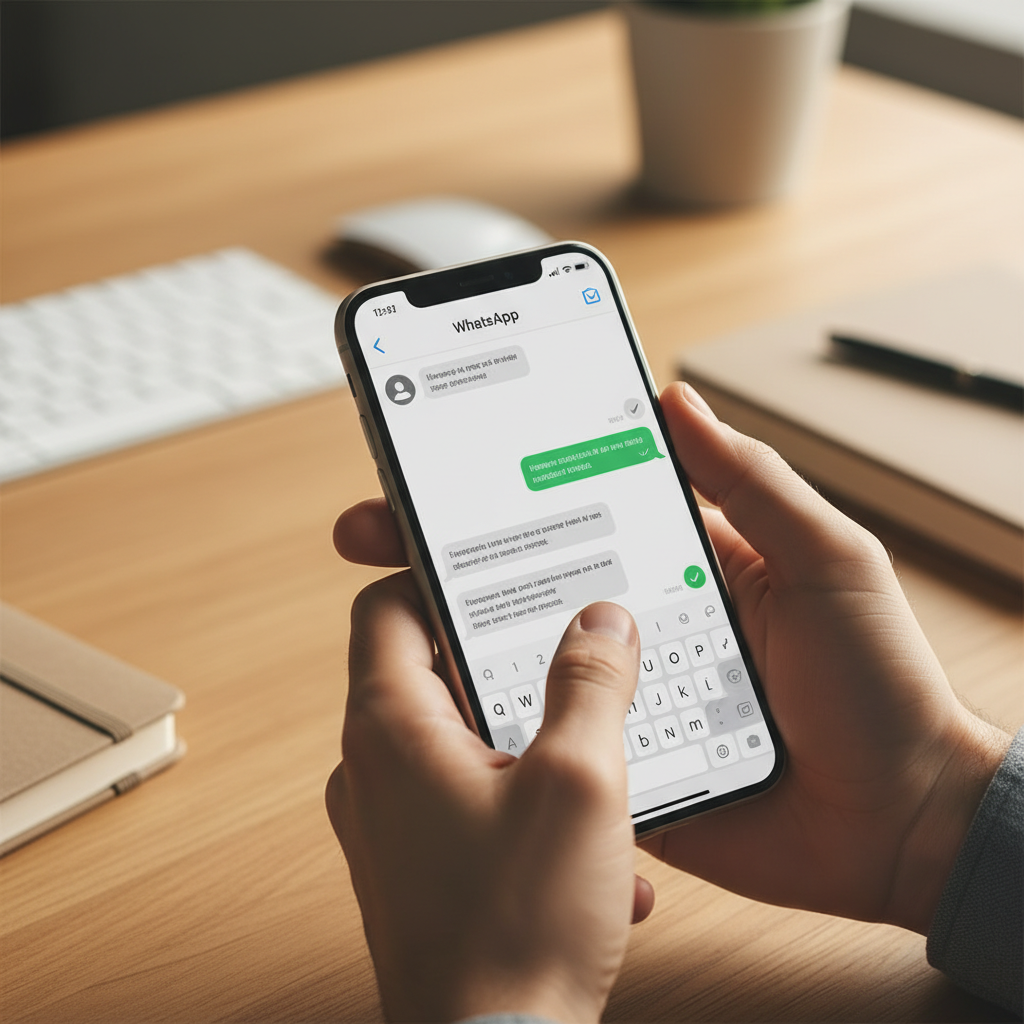
- 48 hours before: appointment reminder + location + time
- 24 hours before: checklist (e.g., “Arrive 15 minutes early,” “Bring previous reports”)
- “I CONFIRM” or “I MUST MOVE” option with buttons
With approved APIs and templates, communication remains consistent and measurable.
5) Routing requests to the right department
A hospital or multi-service facility receives a variety of messages: CUP, administration, records, reports, agreements, information. The chatbot can propose an initial menu and, based on the selection, assign the conversation to the correct team with priority and tags.
6) Patient education and prevention pathways (useful marketing automation)
Prevention is communication: periodic campaigns and follow-ups can increase adherence and satisfaction. An Italian example of a clinic promoting check-ups:
- "Over 45" segment (consent and legal bases always to be managed correctly)
- Informational message: "It's time for your blood pressure/cholesterol check. Want to see what's available?"“
- Guided responses: “Yes / No / Ask for information”
Here WhatsApp Business becomes a relationship channel: not spam, but relevant and measurable communications.
7) Post-visit surveys and customer experience management
After a visit or exam, a short NPS/CSAT survey via WhatsApp increases response rates compared to email. Example for a polyclinic in Turin:
- “On a scale of 0 to 10, how highly would you recommend our property?”
- If score is low: ticket opening and human contact
- If score is high: request review (with link) and invitation to book check-ups
This is a direct use of marketing automation aimed at reputation and loyalty.
How to Create a WhatsApp Chatbot for Healthcare: A 5-Step Process
1) Define goals and boundaries (what to automate and what not to)
List your most frequent requests and choose 3-5 high-impact flows (bookings, FAQs, cancellations, reminders). Define when the bot should escalate to an operator (e.g., complex requests, sensitive cases, complaints).
2) Activate WhatsApp Business with official APIs
For advanced automations you need API access and a platform that manages them professionally. With SendApp Official You can set up allowed bulk sends, templates, and workflows at scale.
3) Design conversational flows (UX before technology)
Keep messages short, with clear choices and buttons whenever possible. Example of a home menu:
- 1) Book a visit/exam
- 2) Move or cancel
- 3) Opening hours and locations
- 4) Documents and preparations
- 5) Talk to an operator
Each item must lead to a quick result, with a human “plan B”.
4) Add conversational AI where it's really needed
Integrate an AI agent to understand unstructured requests and reduce friction (“I have to have an MRI, how do I prepare?”). SendApp Agent You can use intelligent responses, maintaining rules and escalations for cases that require human attention.
5) Integrate with management software, CRM and calendar (when possible)
The real leap forward comes with integrations: availability retrieval, confirmations, contact updates, tags, and segments. Even without full integration, you can still gain value with guided flows and structured handover to the agent.
Best practices: security, compliance and quality of service
Minimize sensitive data in chat
Design workflows to collect only what's administratively necessary. For clinical information or reports, establish appropriate channels and procedures for your facility. The chatbot should assist, not increase risks.
Use consistent templates and messages
For reminders and notifications, use standardized messages. This reduces errors, improves understanding, and makes the service more professional.
Rapid escalation to an operator
In healthcare, "talk to a human" isn't optional. Always include a clear option and define internal SLAs (e.g., response within 30-60 minutes during business hours).
Measure and optimize
Monitor: more frequent requests, flow completion rate, reduced call counts, fewer no-shows, and post-visit satisfaction. Marketing automation works when it's data-driven.
The Future: WhatsApp, AI, and More Personalized Patient Journeys
In the coming years, we'll see an evolution toward increasingly "end-to-end" experiences: from first contact to booking, from reminders to follow-up, all the way to personalized prevention programs. Conversational AI will make interactions more natural, while automation will ensure consistency and scalability.
The right direction is a mix: rules and templates for critical passages, AI to interpret and assist, and operators for empathy and complex case management.
How SendApp can help you
SendApp offers complete solutions to manage WhatsApp Business professionally and efficiently:
- SendApp Official – Official WhatsApp Business API for bulk sending and automation
- SendApp Agent – AI chatbot with integrated ChatGPT for intelligent automatic responses
- Request a free consultation – Talk to an expert to find the ideal solution