

Nuisance Telemarketing: Three-digit short numbers to identify legitimate callers
Annoying telemarketing Fraudulent calls are pushing AGCOM to take structural action. Starting in 2026, telemarketing could become more transparent thanks to the use of short three-digit numbers as caller ID.
The Italian Communications Authority (AGCOM) has launched a public consultation to amend the National Numbering Plan. The goal is to allow the use of three-digit short numbers as identifiers in telesales and telemarketing calls and messages, creating an effective technical barrier against fraud. harassing telemarketing and fraud.
Harassing telemarketing and AGCOM's proposal: what changes from 2026
The phenomenon of harassing telemarketing It is linked to persistent commercial calls and outright scams. These activities are often linked to evasive practices such as CLI spoofing, which masks the caller's identity to make a number appear different from the real one.
Currently, three-digit short numbers, such as 187 or 190 used by some telephone operators, can only be called by the user. These numbers are designed as domestic extensions, with no international roaming capabilities and cannot function in international roaming.
The AGCOM proposal aims to transform these short numbers into secure caller IDs for legitimate teleselling and telemarketing activities. This way, users will be able to immediately distinguish a legitimate call from a potentially fraudulent one, reducing the impact of the harassing telemarketing in the newspaper.
Nuisance Telemarketing: How Three-Digit Short Codes Work
From a technical standpoint, three-digit short numbers are already associated with customer service and sales support from major operators. Since these numbers do not have international access, they cannot be used on foreign networks or operate while roaming, as explained by Wikipedia: AGCOM.
If these numbers become caller IDs, their technical limitation will become a real defense tool against the harassing telemarketing. A call from a certified short number will be recognizable as a national number and traceable back to the authorized party, preventing fraudsters from using it.
AGCOM also provides a certification system for companies requesting these short numbers. Only after verification and authorization can the company use the three-digit number as caller ID, ensuring it is never used by anyone other than the legitimate company.
AGCOM's strategy against harassing telemarketing and fraud
The public consultation launched by AGCOM has a duration of 45 days and is part of a broader strategy to combat harassing telemarketing and telephone fraud. Already in August and November, the Authority introduced blocking requirements for illicit calls originating from abroad that simulate Italian numbers, a mechanism often linked to CLI spoofing.
These measures have clarified operators' responsibilities in managing domestic VoIP traffic. Operators must now implement stricter controls on call flows, especially when they involve apparently legitimate Italian numbers originating from abroad.
According to communications from the Italian Communications Regulatory Authority, the measures on mobile numbers implemented since November have already led to a significant reduction in fraudulent calls from Italian numbers. For the first time, it is possible to more precisely measure the extent of the phenomenon. harassing telemarketing and telephone scams, as highlighted by various industry analyses and reports from specialized newspapers.
Harassing telemarketing: Protecting users and losing trust in digital channels
Reduce the harassing telemarketing It's not just a matter of security, but also of overall trust in communication channels. When users are exposed to fraudulent and persistent calls, they tend to develop a distrust of all unsolicited contacts, even when legitimate.
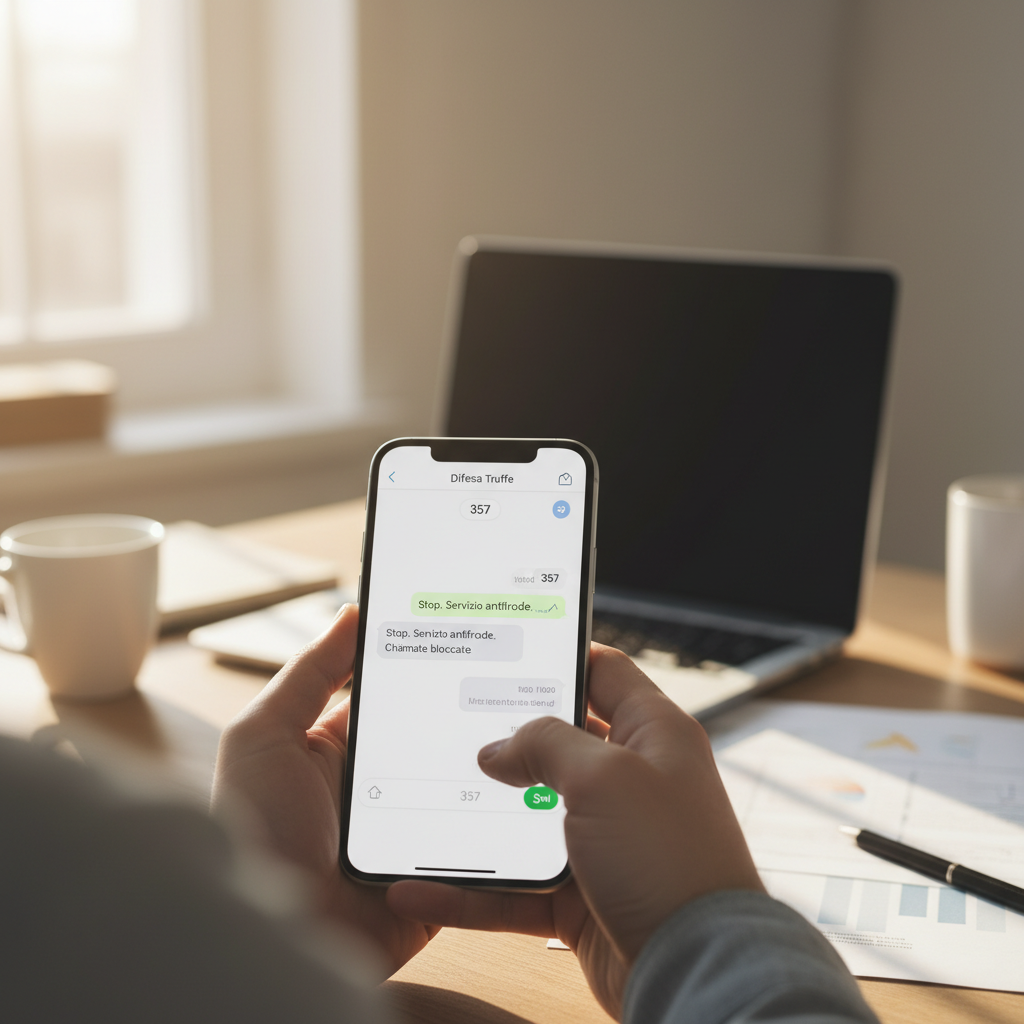
The introduction of certified short numbers as caller ID can help restore this trust. A clear and recognizable identifier allows you to distinguish in seconds between a verified institutional or commercial call and a potential scam.
This dynamic is also reflected in other channels, such as SMS, WhatsApp Business, and messaging platforms. If the measures against harassing telemarketing become more effective on the voice channel, companies will be pushed to better structure digital communications as well, adopting similar authentication and recognition standards, in line with the European recommendations on the security of electronic communications (European Commission – Cybersecurity).
Nuisance Telemarketing: Impact on Marketing and Business
The fight against harassing telemarketing It has a direct impact on marketing strategies and the way companies manage customer relationships. Companies that still rely heavily on cold calling and poorly segmented lists for their sales efforts will need to rethink their models.
With the introduction of certified short numbers, only legitimate and compliant telemarketers will be able to effectively leverage this channel. Companies will need to ensure transparency, consent, and compliance to avoid being perceived as harassing. This will encourage the adoption of strategies. marketing automation more advanced and less invasive multi-channel solutions.
For businesses, this means shifting focus from high volumes of low-qualified calls to more targeted contacts based on data, preferences, and interaction history. Companies that integrate channels such as voice, email, WhatsApp Business, and chatbots will reduce the risk of being associated with harassing telemarketing and will improve the customer experience throughout the funnel.
Furthermore, in a context of increased regulation, brand value and reputation become key assets. A company that uses certified short numbers, clear opt-in processes, and personalized communications will have a competitive advantage over those who continue to focus on purely quantitative logic, as also highlighted in the responsible marketing guidelines of various industry bodies (AGCM – communications and consumer protection).
How SendApp Can Help With Annoying Telemarketing
In this scenario, companies need tools to communicate effectively without slipping into harassing telemarketing. SendApp was created specifically to support businesses in transforming their commercial communications, shifting the focus from aggressive calls to empowered, high-value conversations on digital channels.
With SendApp Official (WhatsApp Business API), businesses can integrate WhatsApp into their CRM systems and workflows marketing automation. Instead of unsolicited calls, you can send transactional notifications, informational messages and campaigns on an opt-in basis, dramatically reducing the perception of harassing telemarketing.
SendApp Agent It allows sales and customer service teams to centrally manage customer conversations. Multiple agents can work on the same WhatsApp number, with automatic chat assignment, tags, and internal notes. This allows you to replace many cold calls with structured dialogues, inquiries, and targeted follow-ups.
For companies that want to go further, SendApp Cloud It offers advanced automation features: conversational funnels, scheduled messages, integrations with external systems, and detailed reporting. This allows you to build a communication model that respects user consent, leverages artificial intelligence, and reduces the need for traditional telephone telemarketing.
Integrating these tools allows companies to align with the new regulatory framework, use voice channels responsibly, and shift value toward more customer-friendly digital interactions. Those who want to definitively overcome the logic of harassing telemarketing You can request a dedicated consultation and start a trial of SendApp solutions directly from the official website: https://sendapp.live.