

World's Most Populous City: Why Tokyo Lost Its Throne
There most populous city in the world It's not Tokyo anymore. most populous city in the world is changing face, driven by rapidly growing Asian and African megacities: what does this mean for the economy, technology, and business?
For years, Tokyo was considered the world's most populous metropolis, a symbol of 20th-century urban growth. Today, however, United Nations projections and the latest demographic data point to a new global balance, where other cities are increasingly gaining ground.
This transformation isn't just a geographical curiosity. It impacts infrastructure, digital innovation, international investments, marketing strategies, and the way companies communicate with millions of connected citizens.
The World's Most Populous City: From UN Data to a New Urban Geography
According to reports from the United Nations, the most populous city in the world It's no longer a static title. Tokyo is approaching its population peak and entering a phase of slight contraction, while other megacities are rapidly advancing.
UN estimates indicated Tokyo had a metropolitan area population of approximately 37 million at the peak of its expansion. Meanwhile, cities like Delhi and Shanghai are growing at a faster rate, driven by different demographic dynamics, accelerated urbanization, and continued economic development.
The phenomenon of megacities, or urban agglomerations with over 10 million inhabitants, has grown from a few units in 1950 to dozens today. This trend is set to intensify, with a significant shift in the urban center of gravity toward Asia and Africa.
Why Tokyo is no longer the most populous city in the world
To understand why Tokyo is no longer the most populous city in the world It is necessary to analyze some structural factors: demographic trends, population aging, urban policies and economic transformations.
Japan is one of the countries with the highest aging rates in the world and one of the lowest birth rates. This is leading to a progressive stabilization, if not reduction, of the overall population, especially in mature metropolitan areas like Tokyo.
At the same time, the cost of living in the Japanese capital remains very high. For years, the government and businesses have been promoting the relocation of activities and services to other areas of the country, reducing demographic pressure on the metropolis.
Globally, however, many cities in emerging markets continue to experience double-digit growth. Urbanization is driving millions of people from rural areas to cities in search of jobs and services, fueling unprecedented urban sprawl.
The new candidates for the title of most populous city in the world
Looking at long-term projections, the most populous city in the world It may soon be found in India or other areas of Asia. Delhi, for example, is among the metropolises with the highest growth rate, thanks to a strong population increase and continuous urbanization.
Shanghai and Beijing, in China, also remain key hubs, although China is also facing demographic slowdown. Looking ahead, African cities represent the most impressive growth potential: Lagos, Kinshasa, and Cairo are among the leading players in this transformation.
These megacities aren't just large in population. They're economic, technological, and cultural hubs that attract global investment, startups, advanced connectivity infrastructure, and increasingly ambitious smart city projects.
For businesses and institutions, understanding where it is and how it is evolving most populous city in the world It also means anticipating future markets, citizens' needs, and the evolution of consumption.
Urbanization, data and technologies in the most populous cities
The growth of megacities and the most populous city in the world It poses enormous challenges: traffic management, pollution, housing, healthcare, safety, and social inclusion. To address them, many administrations are investing in digital technologies and smart infrastructure.
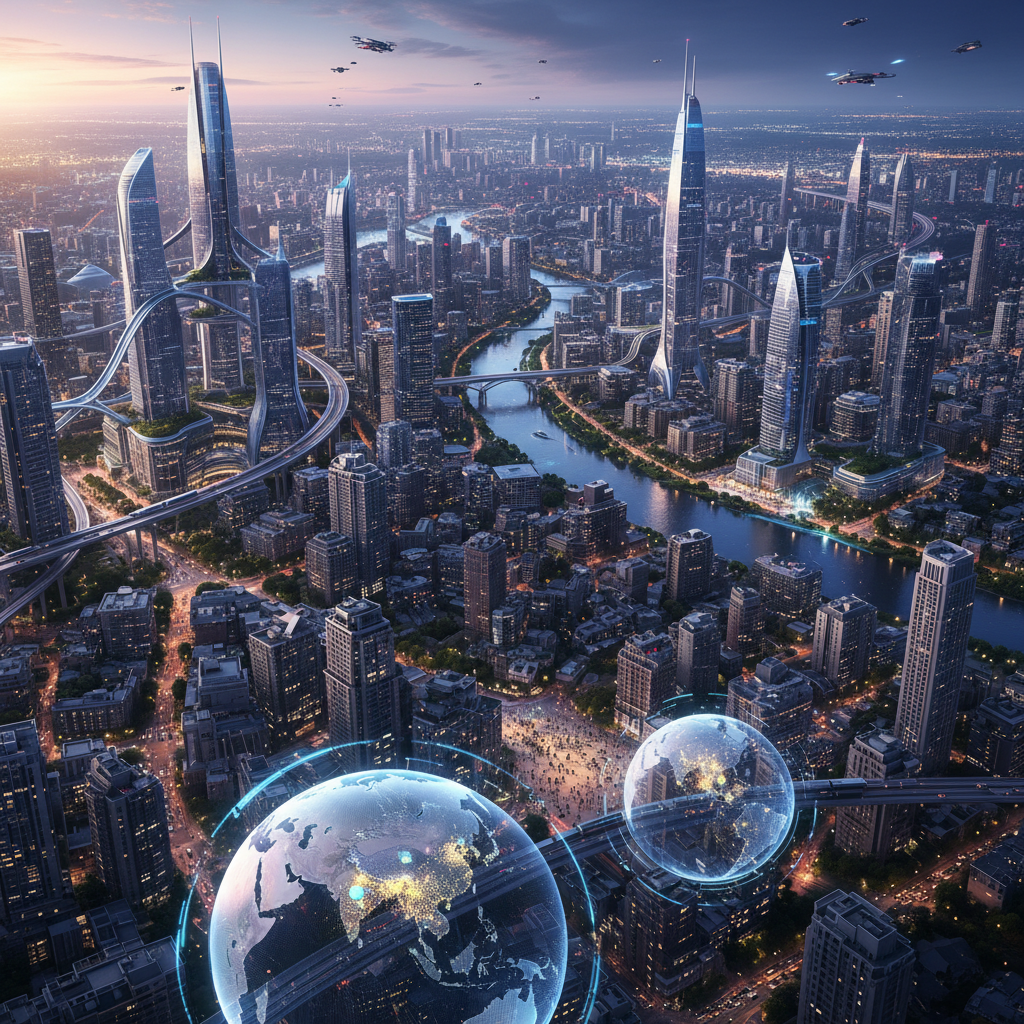
Concepts such as smart city, The Internet of Things, urban sensors, and big data analytics enable real-time monitoring of people flows, energy consumption, and service usage. This enables more efficient and data-driven planning.
Digital governance and citizen participation, through apps and online platforms, are becoming key factors. At the same time, the high rate of smartphone penetration makes instant messaging—such as WhatsApp—a strategic communication and service channel.
To learn more about the impact of urbanization on the planet, you can consult the analyses of World Bank, which highlight how over 50% of the world's population already lives in urban areas, with continuous growth.
The World's Most Populous City: Impact on Marketing and Business
The transformation of the most populous city in the world It has a direct impact on marketing and business. Where tens of millions of people gather, so do data, consumption, and opportunities for brand-customer relationships.
Companies operating in large cities must rethink their communication methods: traditional channels are no longer sufficient. Megacity residents are hyperconnected, frequently mobile, interacting through messaging apps and social media, and demanding quick, personalized responses.
In this context, the automation of communications and the use of platforms marketing automation On channels like WhatsApp Business, they become essential. Targeted campaigns, advanced segmentation, and an omnichannel customer journey allow you to engage with millions of users at scale.
Urban institutions can also use these tools for citizen information services, emergency notifications, appointment management, and digital help desks. The same logic that works for business also applies to healthcare, transportation, and public administration.
For global brands, being present and relevant in the most populous city in the world It means testing models that can then be scaled to other markets. Metropolises thus become innovation laboratories for customer experience, conversational AI, and automation.
How SendApp Can Help with the World's Most Populous City
In a scenario dominated by megacities and a new most populous city in the world, The main challenge for companies and organizations is managing communications with large volumes of users efficiently and in a personalized way. This is where the SendApp ecosystem comes in, designed to scale conversations on WhatsApp Business.
SendApp Official provides official WhatsApp APIs, ideal for businesses serving thousands or millions of contacts in large cities. The APIs allow you to integrate WhatsApp with CRM, ERP, e-commerce, and ticketing systems, automating notifications, confirmations, updates, and marketing campaigns.
SendApp Agent It allows you to organize support and sales teams working on WhatsApp in a collaborative way. In a megacity, where requests arrive en masse and at all hours, it's essential to distribute conversations among multiple agents, maintain a centralized history, and ensure rapid response times.
For those who want to make the most of automation, SendApp Cloud It offers automated flows, chatbots, contact segmentation, and scheduled campaigns. This is particularly useful in metropolitan areas, where geolocalized promotions, service communications, and complex sales funnels are managed.
In addition, SendApp solutions can integrate with analytics systems and dashboards to monitor performance, response rates and conversions, transforming the WhatsApp channel into a strategic lever for business in megacities and in most populous city in the world.
To get started, you can visit the official SendApp website at sendapp.live and request a dedicated WhatsApp Business consultation. Companies can evaluate the best solution—Official, Agent, or Cloud—and build an implementation plan focused on marketing, customer care, and automation in major cities around the world.